The complete guide to Helsinki food tours
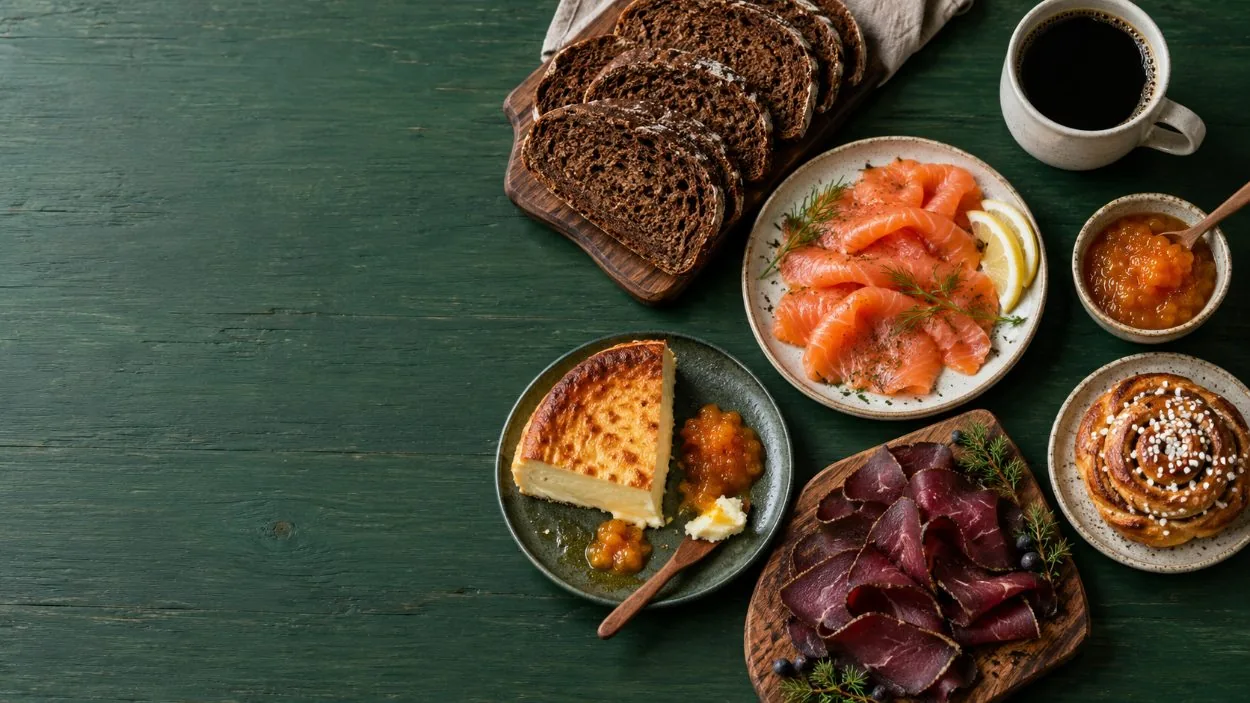
A Helsinki food tour is a two-to-three-hour guided walk between the Old Market Hall counters and a handful of cafés, tasting food that mostly arrived here from elsewhere in Finland — reindeer from Lapland, pies from Karelia, squeaky cheese from Ostrobothnia. What Helsinki itself contributes is the coffee habit, the heaviest per person on earth, and the bun that goes with it. Six tours are bookable; they differ in neighbourhood, season and whether you eat or cook.
Almost everything a Helsinki food tour puts in front of you was invented several hundred kilometres from Helsinki: the cold-smoked reindeer is Lappish, the Karelian pies are Karelian, the squeaky leipäjuusto comes from Ostrobothnia, the vendace is a lake fish, and the dark sourdough rye belongs to the whole country rather than to this city. Helsinki is the harbour and railway terminus everything arrived through, and the two market halls — Vanha Kauppahalli from 1889 and Hakaniemen Kauppahalli from 1914 — are where it still lands. I spent six winters behind the fish counter at the second of those, and this is what I ended up explaining most often.
Finnish food is a map of Finland, not a menu from Helsinki
Take a tasting board apart and you are looking at a country rather than a city. Poro, reindeer, comes down from Lapland as cold-smoked slices. Karjalanpiirakka, a thin rye crust with rice porridge in it, comes from Karelia and is eaten with munavoi, egg butter. Leipäjuusto is a fresh cow’s-milk cheese baked until it browns in patches, from Ostrobothnia and Lapland, served warm with cloudberry jam and squeaking against your teeth on purpose. Muikku, vendace, is floured and fried whole and eaten head, bones and all. Ruisleipä, the sour dense rye, often comes as a ring, because the hole was for hanging it on a pole to dry.
That is not a criticism of the city. It is the honest description, and it is the best argument for taking a guide rather than wandering in alone. Somebody has to tell you that the black sweet is flavoured with ammonium chloride, that the brown bread is sourdough, and that the cheese is meant to squeak: what Finnish food actually is.
Two halls, one tram stop apart, doing different jobs
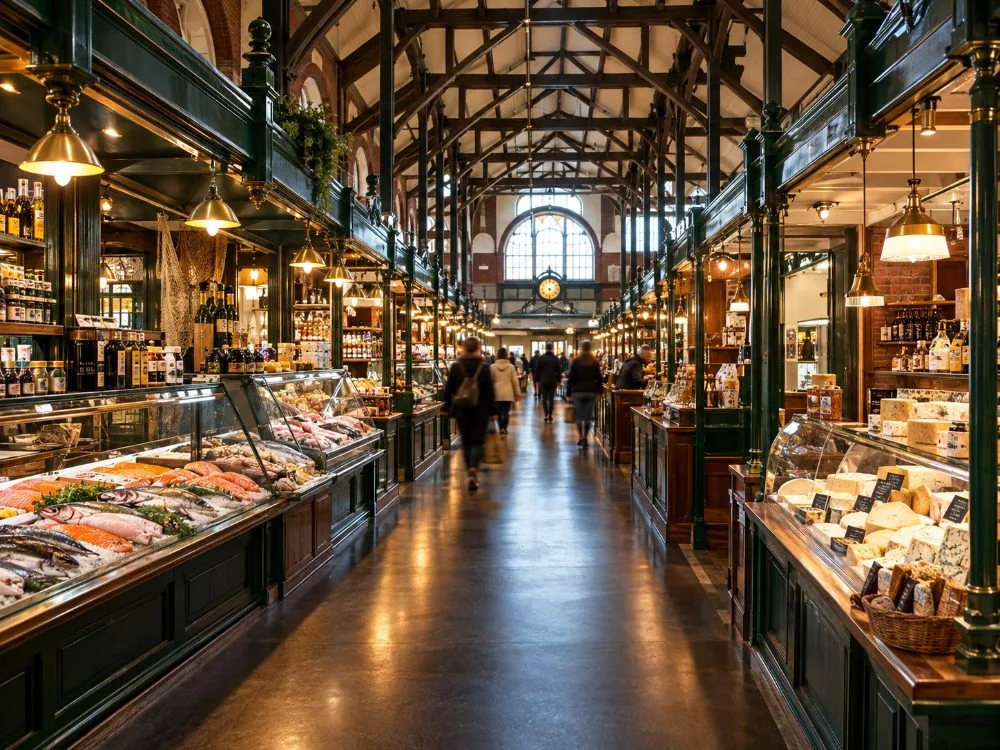
Vanha Kauppahalli opened in 1889 at Eteläranta on the Market Square waterfront and was the city’s first indoor food market. Brick, iron and wooden counters down one long aisle: fish, cheese, charcuterie, bakery stalls, a few small cafés and lunch bars. It is the hall on almost every tour route, and handsome enough that people photograph it before buying anything in it.
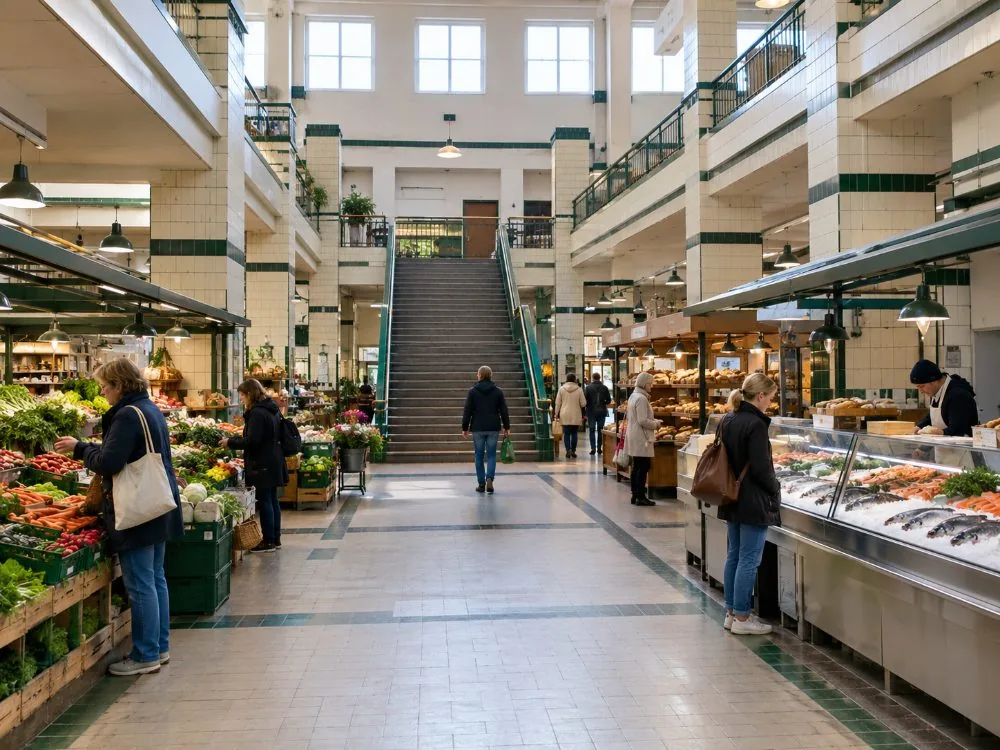
Hakaniemen Kauppahalli is one tram stop north across the Pitkäsilta bridge and opened in 1914. Two floors, food downstairs, household goods and textiles above. Bigger, plainer, far less of a destination — a shopping hall for people who live here, reopened in 2023 after a long renovation spent trading from a temporary hall on the square. To see what Helsinki actually buys, go there. Both are free to walk into and neither is a tour: the Old Market Hall and Hakaniemi.
Coffee and a bun is the one thing Helsinki genuinely owns
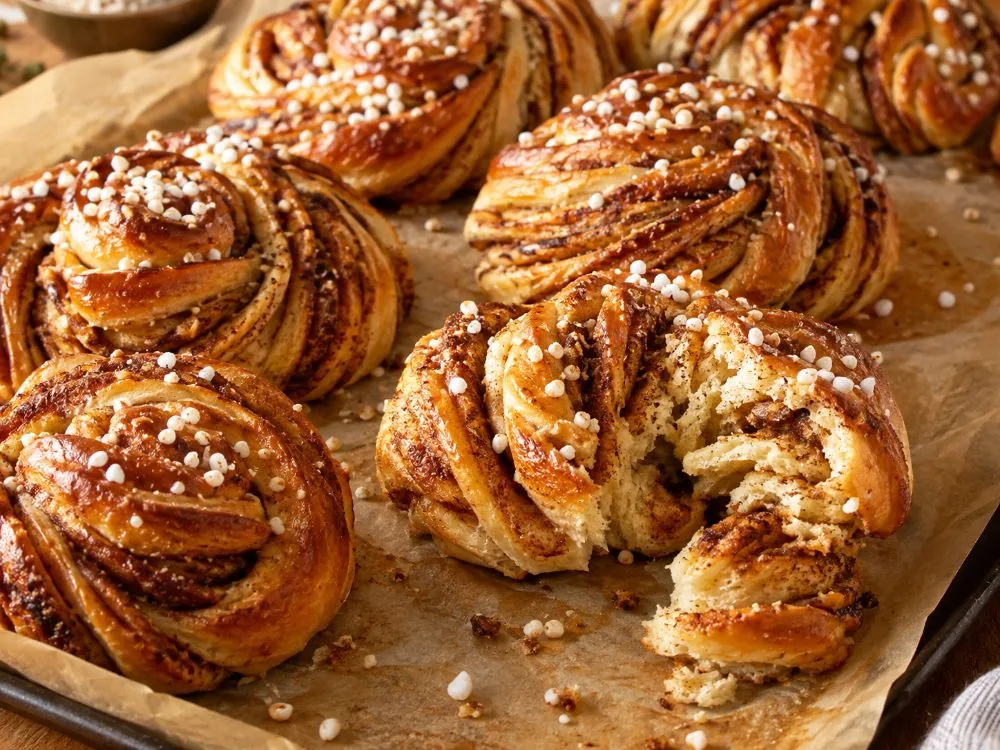
Finland drinks more coffee per head than any country on earth, roughly 12 kg of beans per person per year, which at the heavy end is eight or nine cups a day. The default is light-roast filter coffee, black or with milk, drunk from morning to evening, and the coffee break is written into working life here — kahvitauko is part of a shift, not a treat. Next to it goes korvapuusti, the cardamom-and-cinnamon bun whose name means “a slapped ear”, cut and pressed so the layers fan open. It is eaten with coffee, not as dessert. If you want one sentence about what is local here, that is it: why Finns drink so much coffee.
When a guided walk earns its place, and when it does not
It earns it when the food is unfamiliar and the city is expensive, which is this situation exactly. Nobody orders six strange things alone when each one might be a wasted meal, so people default to what they recognise and go home having eaten salmon and meatballs. A guide front-loads the unknown: two and a half to three hours, seven or eight small plates, somebody ordering at the counter and naming the thing before you commit to a whole portion of it.
It does not earn its place if you are a confident eater with time to spare, because the halls are free and the counters will serve you in English. It also does not if your diet is strict: one tasting walk is explicitly unsuitable for vegans, vegetarians and gluten- or lactose-intolerant guests, and the cooking class turns away anyone with food allergies. Check before you book: dietary restrictions.
The year splits cleanly in two
Tours run all year; the outdoor half of them does not. From roughly May to September the Market Square stalls are working, berry season runs about July to September with cloudberries arriving earlier and ending sooner than bilberries, and the waterbus to the islands is sailing. In winter it moves indoors, the island tasting stops because the waterbus does not run, and a hot bowl of lohikeitto with about six hours of grey light outside is the whole point. Christmas markets and glögi appear from late November: the best time of year.
What I would tell someone coming once
Eat a small breakfast, take a morning walk that goes into the Old Market Hall, and let the guide order. Go back to Hakaniemi alone the next day and buy what you liked. Eat your main meal at the weekday lunch hour, roughly 11am to 1pm, because that is when Finnish kitchens are at their best, and remember that dinner here happens between about 5pm and 7pm and small kitchens close early. Drink the tap water. Do not tip; service is included and nobody will chase you. And try the salty liquorice in company, because the reaction is half of it.
Ready to book?
The city walk with food tasting is the one most people should start with — seven tastings, three hours, and the Old Market Hall in the middle of it. If you want the working city instead of the postcard centre, read the Kallio walk; if you would rather cook than be fed, read the cooking evening. The full side-by-side is on which food tour to choose, and everything bookable is listed on the all-tours page.
Frequently asked questions
How long is a Helsinki food tour?
Between two and a half and three hours, depending on the tour. That is walking time plus four to six stops, not three hours of eating: how long a tour takes.
Do you need to book a Helsinki food tour in advance?
The small-group tours cap at six or eight people and do fill in summer, and booking ahead holds a place with free cancellation up to 24 hours before: booking and cancellation.
What do you actually eat on a Helsinki food tour?
Cold-smoked reindeer, rye bread, a fresh cheese served warm with cloudberry jam, cured or smoked salmon, a pastry, salty liquorice and Finnish chocolate, with coffee somewhere in the middle: what you eat.
Is a Helsinki food tour worth it?
It is worth it if you have not eaten Finnish food before and have limited meals in an expensive city; it is less worth it if you already know the halls: the honest answer.